$TCULT Thesis
Technical Thesis $TCULT Terminal Read-only evidence

Culture is the interface.The TON blockchain is the rail.AI is the engine.

$TCULT connects four live Telegram-native games with a practical evidence lane. $TCULT Handle Desk is live on the web for exact-name evidence, $TCULT Terminal is in verified local preview, $TCULT Guard V1 is implemented locally behind release gates, and $GRAM remains TON's native coin.

The Thesis

$TCULT turns culture into a concrete product ladder.

$TCULT is built on a simple strategic belief: the next generation of crypto products will not win only because they are technically correct. They will win when they are easy to enter, easy to recognize, easy to share, and useful enough to become part of a daily habit.

The meme creates the first doorway. The characters create memory. Plush Tap, Plush Run, and Plush Hop create participation. $TCULT Handle Desk checks an exact Telegram name against public evidence. $TCULT Terminal turns a pasted TON signal into evidence. $TCULT Guard checks routes and links. Architecture and human review keep every public claim tied to a verified milestone.

The result is a focused portfolio: live games for daily motion, read-only evidence tools moving through release gates, and later user-signed features kept separate from current availability.
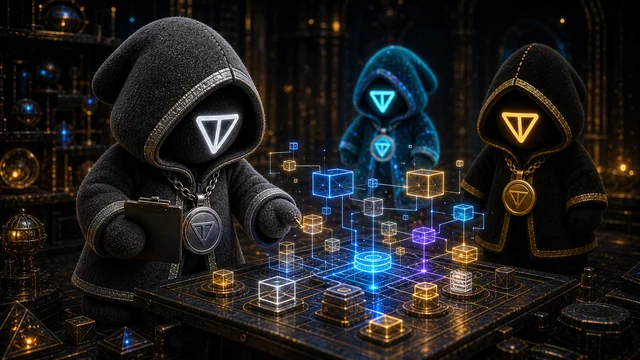
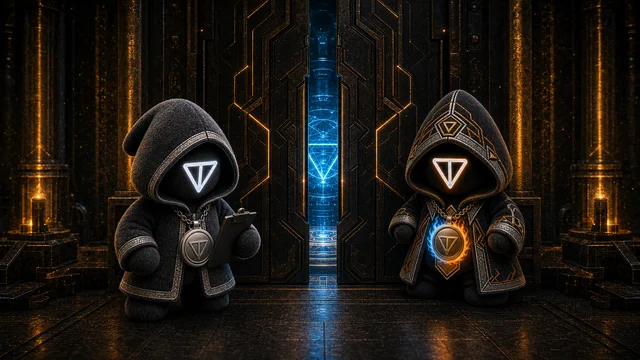
The Grand Council represents the intelligence layer.

Vision, invention, protection, and signal guide what becomes public and when.

Operating Principles

Six beliefs shape every build.

The thesis is not hype language. It is the operating logic for how $TCULT chooses what to build, how it reveals work, and how it keeps the community engaged without exposing the vault too early.

The public project should feel exciting, but it should also feel disciplined. The strongest signal is consistent delivery.
01

Distribution starts with culture.

People do not return to a tool they cannot remember. Characters, symbols, and rituals make the ecosystem recognizable before the utility asks for deeper attention.

02

Games create daily motion.

Mini games are not side quests. They are lightweight activation loops that teach the community to click, play, share, and return.

03

Artifacts create identity.

Stickers, PFPs, and collectible concepts let members carry the world into Telegram, X, and future TON blockchain-native surfaces.

04

Utility earns staying power.

The deeper build is practical: applications that help TON blockchain users do meaningful things while still feeling native to the $TCULT world.

05

Humans keep the release gate.

Agent workflows can support planning, design, content, testing, and handoffs while people keep judgment, security review, and launch control.

06

Architecture protects momentum.

Every build should have a living map so future agents, developers, and versions can improve the right layer without breaking the whole system.

White Paper Layer

A public technical narrative for where the ecosystem is going.

These cards document the portfolio as it exists today. Four games are live, Handle Desk is live on the web, Terminal is in development, and Guard is in production behind release gates. The full white paper explains the current read-only architecture and the later user-signed boundary.

The thesis gives visitors the shape of the strategy. The white paper page gives serious followers the proof layer.
Abstract

The ecosystem thesis.

$TCULT is Telegram-native plush culture on TON rails. Its current product ladder is concrete: Plush Tap, Plush Run, and Plush Hop are live; $TCULT Handle Desk is live on the web with its Telegram route held until real-device QA; $TCULT Terminal is in verified local preview; and $TCULT Guard V1 is locally implemented behind release gates. $GRAM is the native coin terminology where native asset amounts appear.

Each release keeps the same discipline: show verified status, document the architecture, keep evidence readable, and leave decisions with the user.

Technical Direction

The stack of the movement.

  • Telegram-native access through @TCultPlushBot and Mini App routes.
  • Four live games deployed on Vercel.
  • A Handle Desk web app on its branded route, handles.tcult.site, returning public channel, supergroup, and Fragment evidence for an exact Telegram name; its Telegram route is held until real-device QA.
  • A Node 20 Terminal service targeting a resident Hostinger Docker runtime after approval.
  • A Vite and React Guard app moving through Vercel redeploy, DNS, Telegram configuration, provider, and mobile QA gates.
  • TonAPI and TON Center public evidence reads, with architecture registries governing release language.
Product Lanes

What the ecosystem is building now.

The public lanes are specific: four live games, $TCULT Handle Desk's exact-name evidence on the web, $TCULT Terminal's bot-first evidence flow, and $TCULT Guard's read-only route checks. Collectibles and lore remain the identity layer around those products.

Later persistence, wallet context, and transactions stay outside the current release claim until their own security and approval gates are complete.

Current Utility Build

$TCULT Terminal

The bot-first M2 flow turns a TON jetton address or explorer link into a fast evidence panel, bundle analysis, and an optional explanation. It is verified locally and remains behind production deployment and live Telegram QA gates.

$TCULT Guard complements that flow with read-only route and link checks. Neither current milestone takes custody, executes transactions, or replaces user judgment.

White Paper Page

$TCULT Terminal And TON Utility White Paper

The full white paper documents four live games, Handle Desk's live web route, Terminal's fixture-verified bot flow, Guard's current release gates, the Vercel and Hostinger runtime lanes, and the boundary between read-only evidence and later user-signed actions.

Architecture Doctrine

Every build gets a map before the next version begins.

The architecture catalog keeps the public story aligned with the implementation: four live games on Vercel, Handle Desk on its branded web route, Terminal targeting a Hostinger resident service, Guard moving through its Vercel release gates, and public TON evidence providers behind the read-only flows.

That means future agents can inspect objects, responsibilities, data flows, integrations, authorization needs, automation, infrastructure, change zones, and freshness tags before touching code. The system keeps its memory as it grows.

Ledger keeps the map alive.

Architecture is treated as a living product artifact, not a screenshot of old thinking.

Community LayerTelegram, X, artifacts, and lore bring people into the world.
Live Game LayerPlush Tap, Plush Run, and Plush Hop are live through Telegram routes and Vercel web apps.
Handle Desk LayerThe web app checks an exact Telegram username against public channel, supergroup, and Fragment evidence and leaves personal handle status to Telegram settings.
Terminal LayerThe Node 20 bot gateway produces progressive evidence cards and targets a Hostinger Docker runtime after approval.
Guard LayerThe Vite and React app checks routes and links while redeploy, DNS, Telegram configuration, providers, and mobile QA remain open.
Evidence LayerTonAPI and TON Center provide public read-only data. Future persistence remains gated.
Catalog LayerRegistries, architecture records, and release evidence keep every public status accurate.
$TCULT layered architecture diagram A layered architecture showing Telegram, four live games, $TCULT Terminal, $TCULT Guard, Vercel, Hostinger, TON evidence providers, and release gates connected through the $TCULT core. Community Telegram, X social rituals Live Games Tap, Run, Hop Telegram + Vercel $TCULT culture + product core Terminal bot-first evidence Hostinger target Guard route evidence Vercel release gates Evidence TonAPI, TON Center read-only providers Release Gates deploy, DNS, QA human approval Telegram Surface @TCultPlushBot + mini apps Later Features gated persistence + user-signed actions
What To Watch

The signal is not one announcement. It is a pattern.

The current signal is measurable: four games are live, Handle Desk is live on the web, Terminal is fixture-verified locally, and Guard V1 is implemented locally. Public links and release language follow deployment, configuration, and mobile QA.

The future should feel suspenseful without becoming vague. The community should know the lanes and feel the momentum.
Arcade

More playable rituals.

Expect the arcade lane to keep evolving as the fastest way for the community to participate.

$TCULT Terminal with Cipher routing a TON signal while Ledger verifies the evidence card.
In development

$TCULT Terminal

The bot-first evidence flow is verified locally. Production deployment and live Telegram QA remain open gates.

$TCULT Guard with Ledger and Aegis inspecting a glowing TON route gate before the user proceeds.
In production

$TCULT Guard

Guard V1 is locally implemented while redeploy, DNS, Telegram configuration, provider setup, and mobile QA remain open.

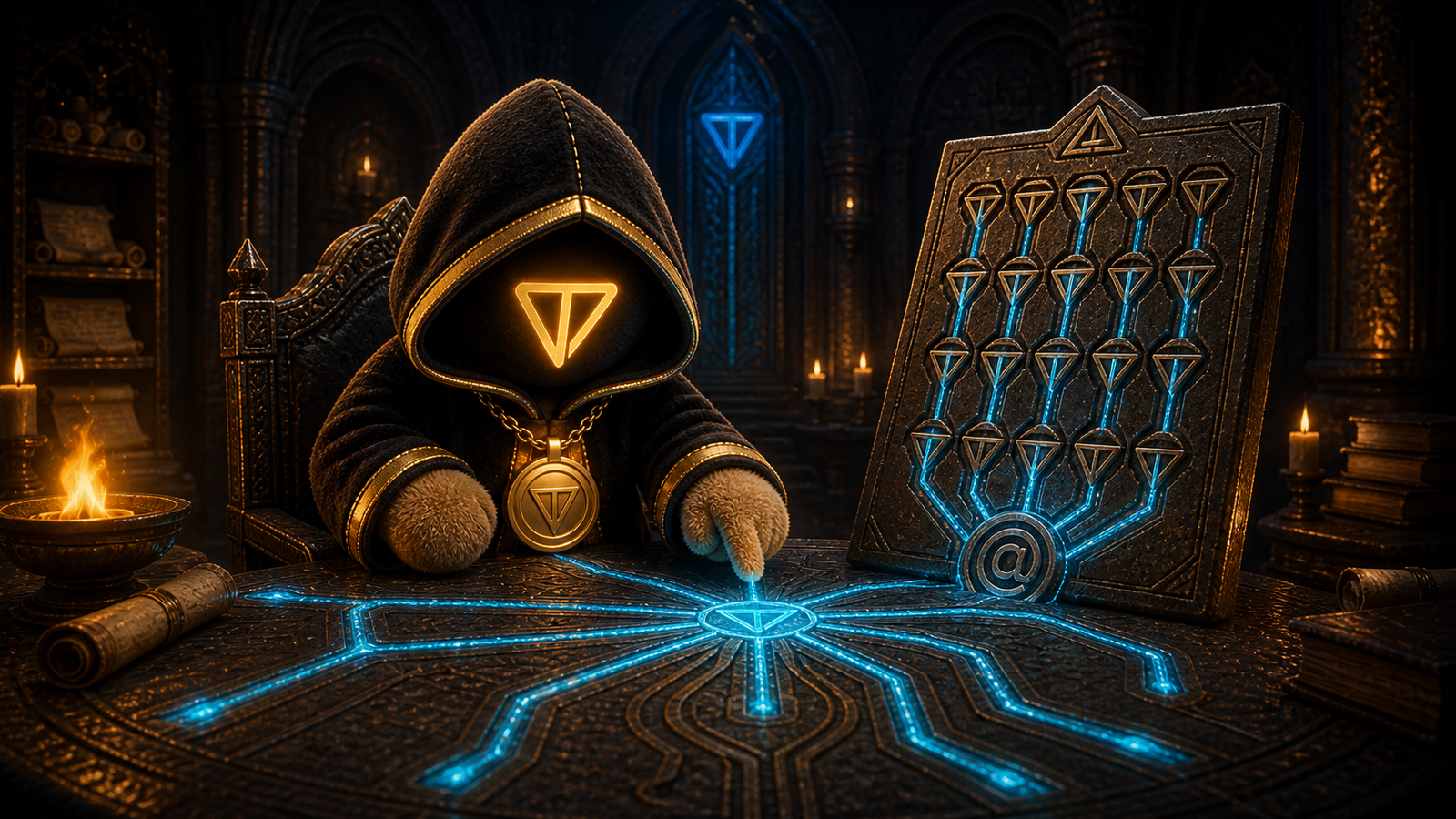
Cipher, a gold-marked hooded $TCULT plush, routes cyan crystal lines across a carved temple council table into a board of Telegram name glyphs.
Live web app

$TCULT Handle Desk

Enter an exact Telegram username to see public channel or supergroup evidence, official Fragment evidence where it exists, and the honest next step. The Telegram route opens after real-device QA.